Dota 2 is often described as a game of mechanics, teamwork, drafting, and strategy. Developed by Valve, it remains one of the deepest competitive multiplayer games ever created. Players discuss hero counters, teamfight execution, vision control, and mechanical outplays constantly. Yet beneath all these systems lies a more fundamental force quietly determining victory in most matches: time efficiency in resource acquisition.
Every action in Dota 2 is tied to economy. Gold and experience are not merely progression systems; they are representations of time converted into power. A hero farming efficiently gains access to stronger items earlier, reaches critical power spikes sooner, and controls the pace of the match. Meanwhile, inefficient players fall behind not because they lack mechanical skill, but because they waste time.
This article explores one specific issue in Dota 2: how farming efficiency and economic optimization increasingly dominate strategic decision-making, often overshadowing direct combat skill and reducing gameplay diversity. While fights appear to decide matches publicly, the hidden economy of time often determines the winner long before the final teamfight begins.
1. Gold and Experience as Time Currency
In Dota 2, resources are generated primarily through:
- Lane creeps
- Neutral camps
- Objectives
- Hero kills
H3: Time Conversion
Every second spent in-game has economic value.
Players constantly convert time into:
- Gold
- Experience
- Map pressure
H4: Invisible Efficiency Gaps
Two players may both survive the laning phase, yet one accumulates far more resources simply by:
- Last-hitting better
- Moving more efficiently
- Farming continuously between actions
This hidden gap becomes decisive later.
2. The Laning Phase and Early Economic Momentum
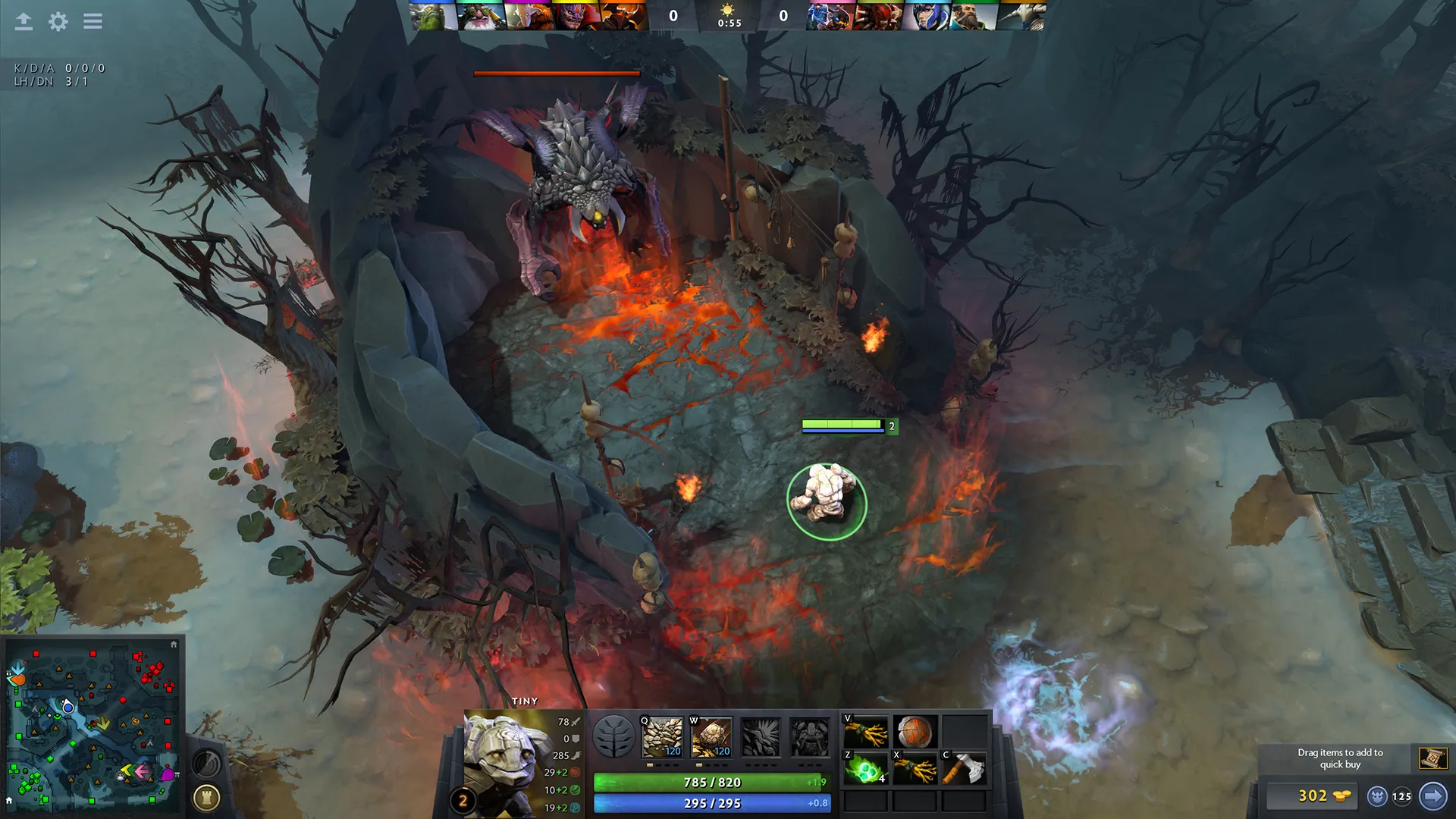
The first ten minutes establish the foundation for the entire match.
H3: Last-Hitting as Economic Control
Successful laning depends heavily on:
- Securing creep kills
- Denying enemy creeps
- Maintaining lane equilibrium
H4: Small Advantages Compound
A difference of:
- 10 creep kills
- One denied wave
- A faster bottle timing
may appear minor early but creates long-term acceleration.
Economy compounds over time.
3. Farming Patterns and Map Geometry
Efficient farming in Dota 2 is not random. It is highly structured.
H3: Optimized Rotation Routes
Experienced players chain together:
- Lane waves
- Jungle camps
- Stack clears
with almost no downtime.
H4: Map as Economic Network
The map becomes a resource circuit rather than a battlefield.
List – Core Farming Priorities
- Minimize idle movement
- Clear camps while rotating
- Avoid wasted teleport usage
- Maintain constant resource intake
Movement efficiency equals economic efficiency.
4. Item Timings Define Combat Power
In Dota 2, item timings are often more important than kills themselves.
H3: Timing Windows
Critical item completions create temporary dominance:
- Black King Bar
- Blink Dagger
- Battle Fury
- Radiance
H4: Power Spike Economics
A hero finishing an item:
- Two minutes earlier
- One fight sooner
- Before an objective contest
can completely alter the match flow.
Combat strength is directly tied to farming speed.
5. The Carry Role and Economic Centralization
The carry position represents the clearest example of economy-driven gameplay.
H3: Team Resource Allocation
Teams intentionally funnel resources into carries by:
- Sacrificing support farm
- Creating map space
- Protecting farming areas
H4: Structural Dependency
The entire team structure revolves around maximizing one player’s efficiency.
This creates a strategic hierarchy based on economic scaling.
6. Fighting vs Farming: The Constant Tension
One of Dota 2’s central strategic dilemmas is deciding when to fight.
H3: Opportunity Cost
Every fight carries hidden costs:
- Time spent moving
- Missed creep waves
- Delayed item timings
H4: False Aggression
A successful kill may still be economically inefficient if:
- The enemy carry farms elsewhere
- Objectives are not secured
- Farming patterns are interrupted
Not all aggression creates advantage.
7. Supports and the Efficiency Problem
Supports experience Dota 2 differently because they operate under economic scarcity.
H3: Limited Farm Access
Supports must:
- Ward the map
- Rotate frequently
- Sacrifice lane resources
H4: Hidden Economic Inequality
Even highly skilled support players often remain underfarmed because the system prioritizes core heroes economically.
List – Common Support Sacrifices
- Delayed defensive items
- Lower experience levels
- Reduced scaling potential
- Riskier map movement
The role itself is built around economic imbalance.
8. Objective Control as Economic Warfare
Objectives in Dota 2 are valuable primarily because they reshape resource access.
H3: Towers and Map Space
Destroying towers:
- Expands farming territory
- Restricts enemy movement
- Improves jungle safety
H4: Economy Before Combat
Objectives matter less for direct damage and more for:
- Increasing future income
- Denying enemy efficiency
- Controlling farming routes
Map control is economic control.
9. Late-Game Scaling and Economic Saturation
As matches extend, farming efficiency continues influencing outcomes.
H3: Six-Slot Dynamics
Late-game carries eventually reach maximum item capacity.
H4: Resource Saturation
At this stage:
- Buyback economy matters
- Neutral items gain importance
- Efficient wave control becomes critical
Even in late-game chaos, time efficiency remains central.
10. The Core Design Conflict
Dota 2’s depth comes partly from its economic complexity. However, this system creates tension between:
- Strategic optimization
- Creative gameplay freedom
H3: Strengths of Economic Depth
The economy system:
- Rewards planning
- Encourages map awareness
- Creates meaningful timing windows
H4: Structural Downsides
However, it also:
- Encourages repetitive farming patterns
- Punishes experimentation harshly
- Reduces viability of inefficient heroes
List – Potential Design Considerations
- More dynamic resource distribution
- Greater comeback economy tools
- Increased support scaling options
- Alternative objective incentives beyond gold efficiency
Balancing economy and creativity remains difficult.
Conclusion
Dota 2 is often remembered through dramatic teamfights, legendary plays, and mechanical brilliance. Yet beneath those visible moments lies the quieter system truly shaping the game: the economy of time.
Every creep wave, jungle route, and farming decision contributes to an invisible race for efficiency. Players who convert time into resources more effectively reach their power spikes sooner, control the map more safely, and dictate the pace of combat itself.
This economic structure gives Dota 2 much of its strategic depth, but it also narrows decision-making around optimization. The game increasingly rewards players not simply for fighting well, but for minimizing wasted seconds across the entire match.
Ultimately, Dota 2 is not only a battle between heroes—it is a battle between competing systems of efficiency, where time itself becomes the most valuable resource on the map.