.webp)
How to Identify Suspicious Players in Goose Goose Duck: Step-by-Step Guide
One of the most important skills in Goose Goose Duck is identifying suspicious players before they gain control of the game. Many players rely on guesswork or emotional reactions during meetings, which often leads to incorrect votes and missed opportunities.
This guide focuses on one specific objective: how to identify suspicious players using a structured investigation process. By following a consistent method, you can improve your deductions and make more accurate decisions during discussions.
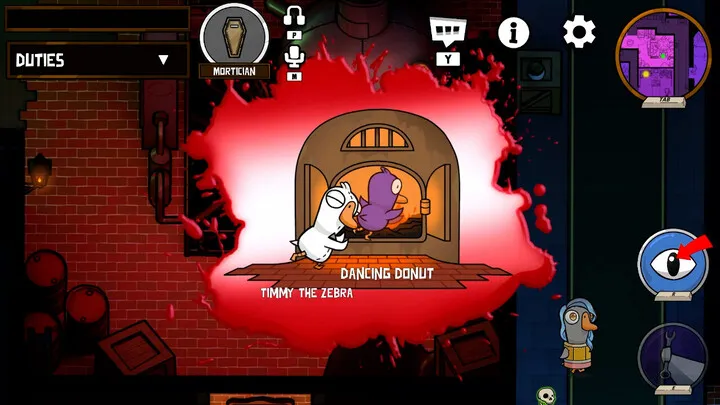
1. Watch Early Movement
Step 1: Observe Before Judging
Early movement provides valuable clues.
Observation Checklist
- Starting routes
- Nearby players
- Initial task choices
- Unusual behavior
Information gathered early becomes useful later.

2. Track Player Locations
Step 2: Build Location Awareness
Knowing where players have been helps verify claims.
Tracking Tips
- Remember recent sightings
- Note travel directions
- Compare movement patterns
- Identify inconsistencies
Location awareness improves investigations.
3. Verify Task Behavior
Step 3: Observe Actions Carefully
Task interactions provide useful information.
Verification Tips
- Watch task timing
- Check movement consistency
- Observe repeated patterns
- Compare claims with observations
Evidence strengthens conclusions.
4. Analyze Meeting Discussions
Step 4: Listen Carefully
Discussions reveal valuable clues.
Discussion Tips
- Watch for contradictions
- Identify vague explanations
- Compare statements over time
- Evaluate confidence levels
Careful listening improves accuracy.
5. Focus on Evidence
Step 5: Avoid Emotional Decisions
Strong decisions require reliable information.
Evidence Checklist
- Verified sightings
- Confirmed movements
- Witness statements
- Consistent observations
Facts improve voting decisions.
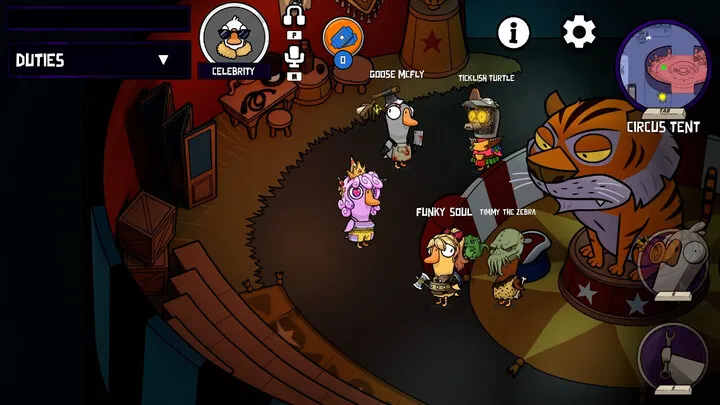
6. Monitor Reactions
Step 6: Observe Under Pressure
Players often reveal information during tense moments.
Reaction Analysis Tips
- Watch defensive behavior
- Observe changing stories
- Note sudden accusations
- Compare reactions across meetings
Pressure can expose inconsistencies.
7. Confirm Suspicion Gradually
Step 7: Build a Strong Case
Avoid rushing conclusions.
Confirmation Strategies
- Gather multiple observations
- Verify information independently
- Compare reports from others
- Look for repeated patterns
Patience improves accuracy.
8. Communicate Clearly
Step 8: Present Information Effectively
Strong evidence requires clear presentation.
Communication Tips
- Explain observations logically
- Stay concise
- Avoid exaggeration
- Focus on facts
Credibility improves influence.
9. Vote Strategically
Step 9: Make Informed Decisions
Voting affects the entire match.
Voting Tips
- Prioritize evidence
- Avoid guesswork
- Consider alternative explanations
- Coordinate with reliable players
Strategic voting improves outcomes.
10. Improve Through Experience
Step 10: Refine Your Process
Every match offers learning opportunities.
Improvement Strategies
- Review mistakes
- Analyze successful deductions
- Improve memory skills
- Practice observation regularly
Experience creates stronger investigators.
Conclusion
Learning how to identify suspicious players in Goose Goose Duck requires patience, observation, and disciplined reasoning. By following a structured investigation process, you can improve your deductions, make smarter voting decisions, and contribute more effectively to your team.