Clash of Clans: The Evolution of Strategic Base-Building and Clan Warfare
Introduction
Clash of Clans, developed by Supercell, is one of the most influential mobile strategy games ever created. Released in 2012, it redefined base-building gameplay by combining real-time strategy, resource management, and multiplayer competition into a long-term progression system.
Rather than focusing on short matches, Clash of Clans builds engagement through persistent development. Players construct villages, train armies, and raid other players while defending their own base from attacks. Over time, the game evolved into a complex ecosystem featuring clan cooperation, wars, and competitive leagues.
What makes the game enduring is not just its mechanics, but how it structures time—progress is slow, deliberate, and deeply rewarding.
1. The Village as a Long-Term Investment
At the center of the game is the player’s village.
Every building placed contributes to either resource generation, defense, or military strength.
Core Building Types
- Resource collectors (gold mines, elixir collectors)
- Storage buildings
- Defensive structures
- Army camps and barracks
Each upgrade increases efficiency but requires time and resources.
Time-Based Progression
Upgrades can take hours or even days, encouraging players to plan carefully.
2. Resource Economy and Strategic Spending
The entire game revolves around managing resources.
Players must balance earning and spending wisely.
Main Resources
- Gold (for defenses and buildings)
- Elixir (for troops and upgrades)
- Dark Elixir (for advanced units and heroes)
Efficient resource management is essential for progress.
Economic Decisions
Players must decide whether to:
- Upgrade defenses
- Improve offense
- Save for major upgrades
Every choice affects long-term growth.
3. Troop Training and Army Composition
Combat in Clash of Clans depends on how players build their army.
Troop Types
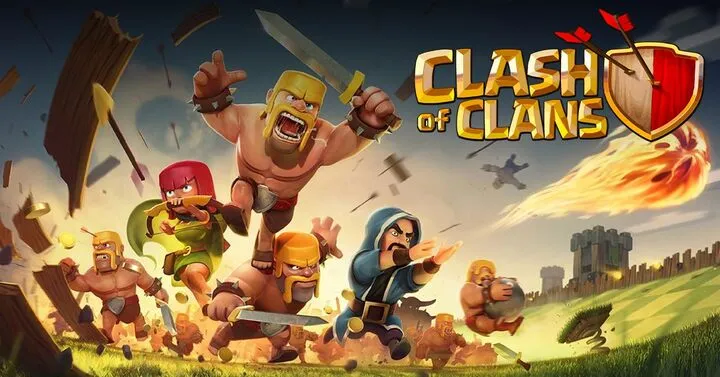
- Ground units (Barbarians, Giants)
- Ranged units (Archers, Wizards)
- Air units (Dragons, Balloons)
Each troop has strengths and weaknesses.
Army Strategy
Successful attacks require:
- Balanced compositions
- Timing and placement
- Understanding enemy defenses
There is no single “best” army—strategy varies by situation.
4. Base Design and Defensive Strategy
Defense is just as important as offense.
Players must design their base to protect resources and the Town Hall.
Defensive Structures
- Cannons and archer towers
- Wizard towers
- Air defenses
- Traps and walls
Placement determines effectiveness.
Base Layout Strategy
Players often design layouts to:
- Protect key buildings
- Slow down attackers
- Funnel enemy troops
A well-designed base can repel stronger opponents.
5. Town Hall Progression System
The Town Hall determines the player’s overall level.
Upgrading it unlocks new content.
Town Hall Features
- New buildings
- Stronger troops
- Additional defenses
- Higher upgrade limits
Each level introduces new strategic complexity.
Risk vs Reward
Upgrading too quickly without strengthening defenses can make a base vulnerable.
6. Clan System and Social Gameplay
One of the game’s most important features is the clan system.
Players can join groups to cooperate and compete.
Clan Features
- Donate troops to each other
- Chat and coordinate
- Participate in wars
Clans create a sense of community.
Cooperative Advantage
Being in an active clan significantly speeds up progression.
7. Clan Wars and Competitive Strategy
Clan Wars are a core competitive feature.
Two clans face off to destroy each other’s bases.
War Mechanics
- Each player gets attack attempts
- Stars are awarded based on destruction
- The clan with more stars wins
Coordination is key.
Strategic Planning
Clans must:
- Assign targets
- Plan attack strategies
- Maximize star efficiency
Wars require teamwork, not just individual skill.
8. Heroes and Advanced Combat Systems
As players progress, they unlock heroes.
These powerful units change how battles are fought.
Major Heroes
- Barbarian King
- Archer Queen
- Grand Warden
- Royal Champion
Each hero has unique abilities.
Tactical Impact
Heroes can:
- Break through defenses
- Support troops
- Turn the tide of battle
Managing heroes effectively is crucial at higher levels.
9. Events, Updates, and Live-Service Evolution
Clash of Clans remains relevant through constant updates.
Update Features
- New Town Hall levels
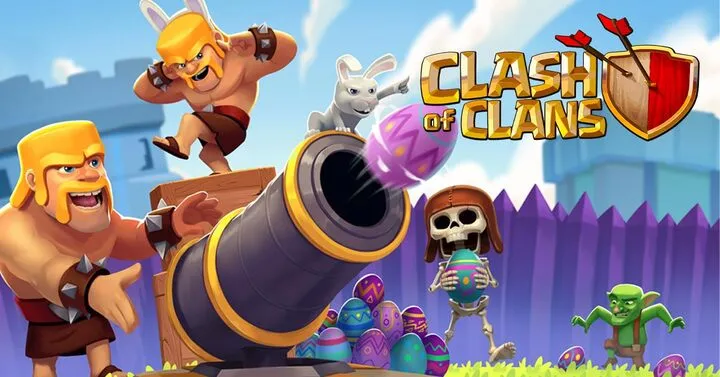
- Seasonal events
- Limited-time challenges
- Balance changes
These updates keep gameplay fresh.
Seasonal Content
Events often introduce unique rewards and gameplay variations.
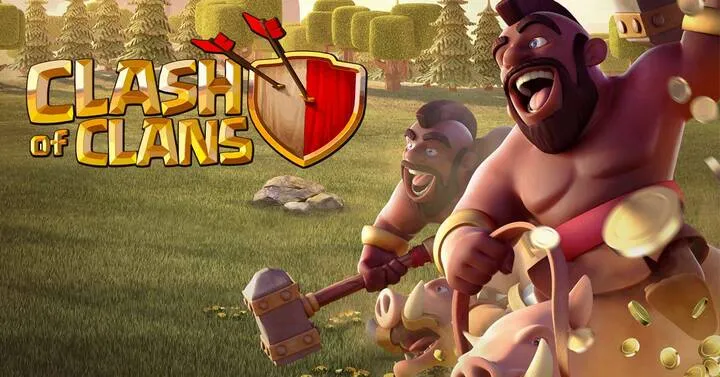
10. Why Clash of Clans Remains a Global Success
More than a decade after release, the game continues to thrive.
Key Success Factors
- Deep strategic gameplay
- Long-term progression
- Strong social systems
- Regular updates
These elements create lasting engagement.
A Timeless Strategy Model
The game’s design balances patience, planning, and competition.
Conclusion
Clash of Clans stands as one of the most successful mobile strategy games by combining base-building, resource management, and multiplayer warfare into a cohesive long-term experience. Players gradually develop their villages, train armies, and engage in battles that require both tactical skill and strategic planning. The addition of clan systems and competitive wars transforms the game from a solo experience into a cooperative and competitive community. Through continuous updates and evolving mechanics, Clash of Clans has maintained its relevance, proving that well-designed progression and social interaction can sustain a game for years.